Calcium Sulphate | Gypsum
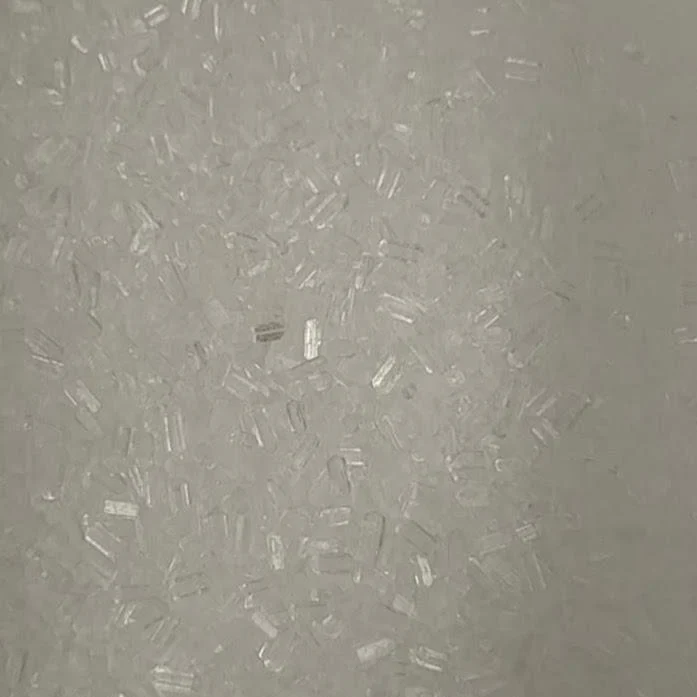
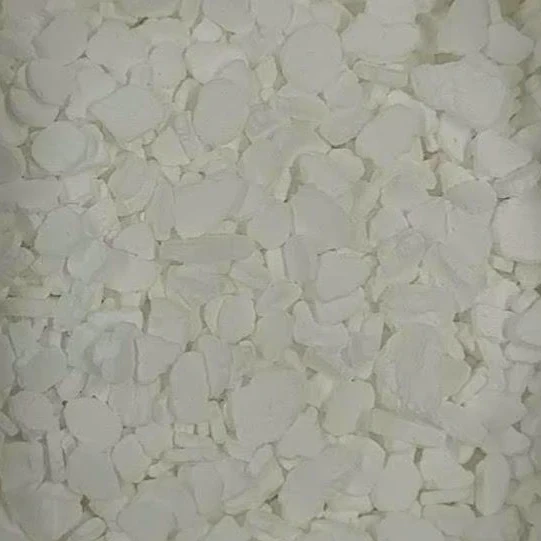
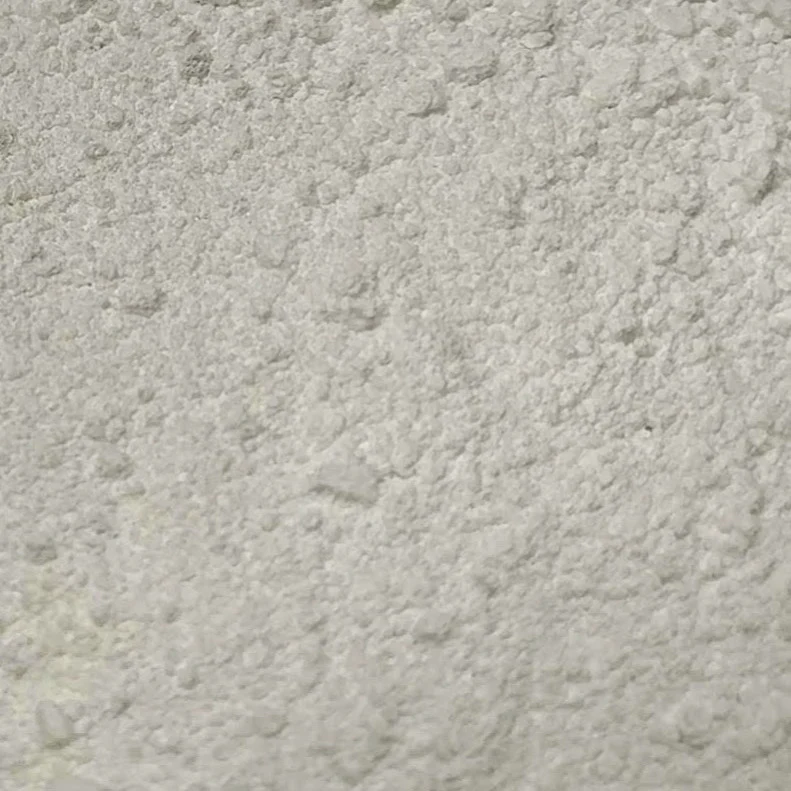
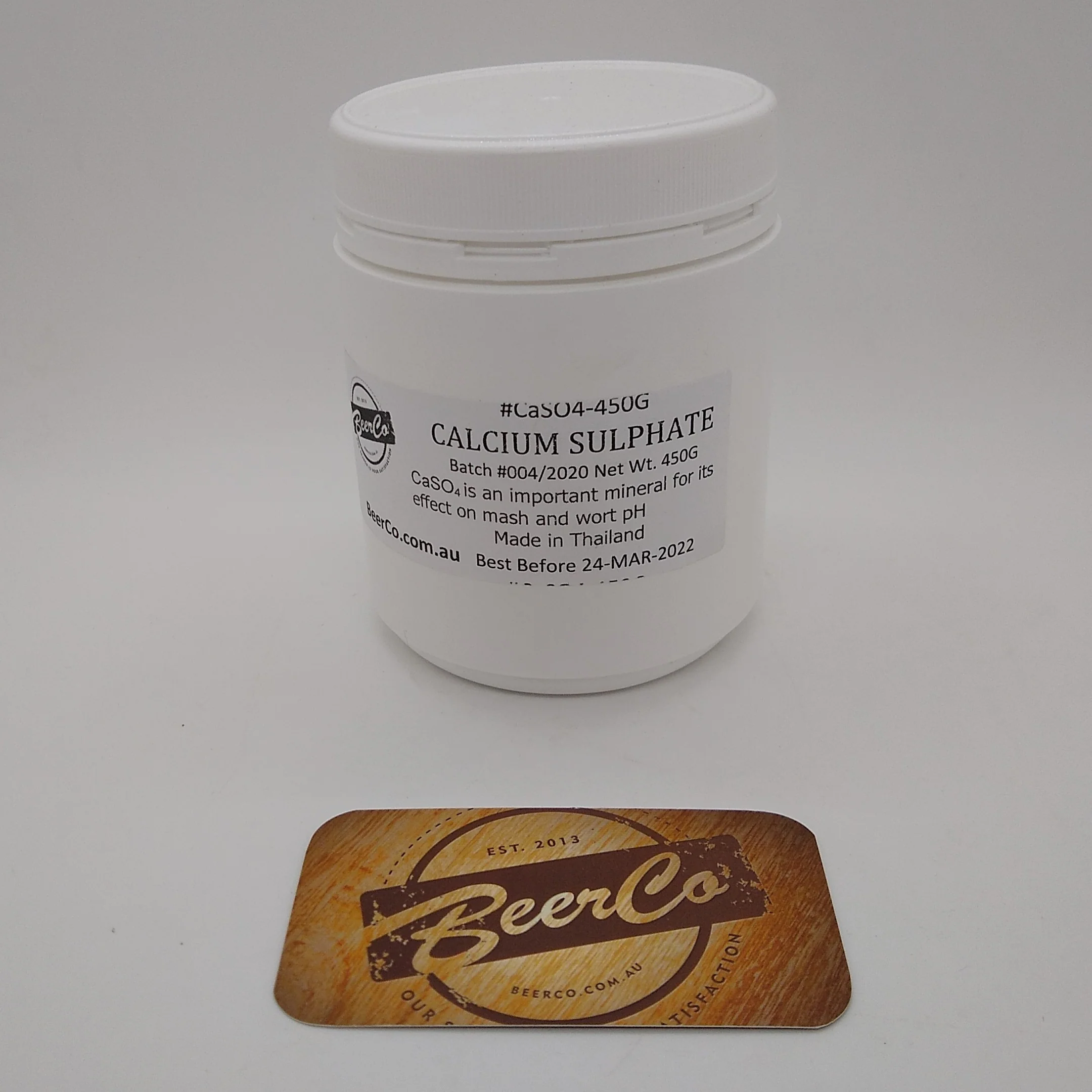
Calcium Sulphate (Gypsum) is an important mineral for its effect on mash and wort pH. Used to harden water when brewing ales and bitters. Use as required depending on water hardness. Gypsum (Calcium Sulphate) adds permanent hardness (calcium ions) to brewing water; 1 gram per US gallon adds 62 ppm calcium, 147 ppm sulfate. Calcium Sulphate (Gypsum) is used to "harden" the process water or as a direct additive to the malt mash or kettle wort. The benefit comes from the Calcium ion.
More on Calcium Sulphate or Gypsum: Calcium Sulphate is a critical component in the measurement of permanent water hardness (also known as non-carbonate hardness). This part of water hardness is defined by the sum of all calcium and magnesium ions that are associated with anions such as chloride or sulfate. It is referred to as permanent hardness because of the fact that it will not precipitate under the influence of heat. Therefore, calcium sulfate is also one of the primary salts used for the improvement of calcium levels in beer. Proper calcium levels in beer can provide the following influences that are generally considered to be positive: they lower the pH, preserve mash enzymes, increase extract yield, improve yeast growth and flocculation, accelerate oxalate removal, and reduce color.
Pack Sizes:
- 450g Plastic Jar
- 1 Kg Bag (SAVE 38% OFF 450g Price)
- 5 Kg Bag (SAVE 18% OFF 1Kg Price)
- 15 Kg Bag (SAVE 29% OFF 1 Kg Price)
Certificate of Analysis:
- Available upon request
Country of Origin:
- Thailand
- China
Sauces of Brewspiration & Further Reading & References:
Bernstein, Leo, and Willox, I. C. “Water.” In The practical brewer, ed. Harold M. Broderick, 13–20. Madison, WI: Master Brewers Association of the Americas, 1977.
Haggerty, John Calcium Sulphate Craft Beer and Brewing Magazine
Kerwin, Larry. “Water.” In MBAA practical handbook for the specialty brewer, volume 1: Raw materials and brewhouse operations, ed.
Karl Ockert, 7–12. Madison, WI: Master Brewers Association of the Americas, 2006.
Palmer, John How to Brew - Using salts for brewing water adjustment
Kunze, Wolfgang. “Raw materials.” In Technology brewing and malting, 2nd ed., 69–73. Berlin: VLB Berlin, 1999.
Original: $4.29
-65%$4.29
$1.50More Images
Calcium Sulphate | Gypsum
Calcium Sulphate (Gypsum) is an important mineral for its effect on mash and wort pH. Used to harden water when brewing ales and bitters. Use as required depending on water hardness. Gypsum (Calcium Sulphate) adds permanent hardness (calcium ions) to brewing water; 1 gram per US gallon adds 62 ppm calcium, 147 ppm sulfate. Calcium Sulphate (Gypsum) is used to "harden" the process water or as a direct additive to the malt mash or kettle wort. The benefit comes from the Calcium ion.
More on Calcium Sulphate or Gypsum: Calcium Sulphate is a critical component in the measurement of permanent water hardness (also known as non-carbonate hardness). This part of water hardness is defined by the sum of all calcium and magnesium ions that are associated with anions such as chloride or sulfate. It is referred to as permanent hardness because of the fact that it will not precipitate under the influence of heat. Therefore, calcium sulfate is also one of the primary salts used for the improvement of calcium levels in beer. Proper calcium levels in beer can provide the following influences that are generally considered to be positive: they lower the pH, preserve mash enzymes, increase extract yield, improve yeast growth and flocculation, accelerate oxalate removal, and reduce color.
Pack Sizes:
- 450g Plastic Jar
- 1 Kg Bag (SAVE 38% OFF 450g Price)
- 5 Kg Bag (SAVE 18% OFF 1Kg Price)
- 15 Kg Bag (SAVE 29% OFF 1 Kg Price)
Certificate of Analysis:
- Available upon request
Country of Origin:
- Thailand
- China
Sauces of Brewspiration & Further Reading & References:
Bernstein, Leo, and Willox, I. C. “Water.” In The practical brewer, ed. Harold M. Broderick, 13–20. Madison, WI: Master Brewers Association of the Americas, 1977.
Haggerty, John Calcium Sulphate Craft Beer and Brewing Magazine
Kerwin, Larry. “Water.” In MBAA practical handbook for the specialty brewer, volume 1: Raw materials and brewhouse operations, ed.
Karl Ockert, 7–12. Madison, WI: Master Brewers Association of the Americas, 2006.
Palmer, John How to Brew - Using salts for brewing water adjustment
Kunze, Wolfgang. “Raw materials.” In Technology brewing and malting, 2nd ed., 69–73. Berlin: VLB Berlin, 1999.
Product Information
Product Information
Shipping & Returns
Shipping & Returns
Description
Calcium Sulphate (Gypsum) is an important mineral for its effect on mash and wort pH. Used to harden water when brewing ales and bitters. Use as required depending on water hardness. Gypsum (Calcium Sulphate) adds permanent hardness (calcium ions) to brewing water; 1 gram per US gallon adds 62 ppm calcium, 147 ppm sulfate. Calcium Sulphate (Gypsum) is used to "harden" the process water or as a direct additive to the malt mash or kettle wort. The benefit comes from the Calcium ion.
More on Calcium Sulphate or Gypsum: Calcium Sulphate is a critical component in the measurement of permanent water hardness (also known as non-carbonate hardness). This part of water hardness is defined by the sum of all calcium and magnesium ions that are associated with anions such as chloride or sulfate. It is referred to as permanent hardness because of the fact that it will not precipitate under the influence of heat. Therefore, calcium sulfate is also one of the primary salts used for the improvement of calcium levels in beer. Proper calcium levels in beer can provide the following influences that are generally considered to be positive: they lower the pH, preserve mash enzymes, increase extract yield, improve yeast growth and flocculation, accelerate oxalate removal, and reduce color.
Pack Sizes:
- 450g Plastic Jar
- 1 Kg Bag (SAVE 38% OFF 450g Price)
- 5 Kg Bag (SAVE 18% OFF 1Kg Price)
- 15 Kg Bag (SAVE 29% OFF 1 Kg Price)
Certificate of Analysis:
- Available upon request
Country of Origin:
- Thailand
- China
Sauces of Brewspiration & Further Reading & References:
Bernstein, Leo, and Willox, I. C. “Water.” In The practical brewer, ed. Harold M. Broderick, 13–20. Madison, WI: Master Brewers Association of the Americas, 1977.
Haggerty, John Calcium Sulphate Craft Beer and Brewing Magazine
Kerwin, Larry. “Water.” In MBAA practical handbook for the specialty brewer, volume 1: Raw materials and brewhouse operations, ed.
Karl Ockert, 7–12. Madison, WI: Master Brewers Association of the Americas, 2006.
Palmer, John How to Brew - Using salts for brewing water adjustment
Kunze, Wolfgang. “Raw materials.” In Technology brewing and malting, 2nd ed., 69–73. Berlin: VLB Berlin, 1999.